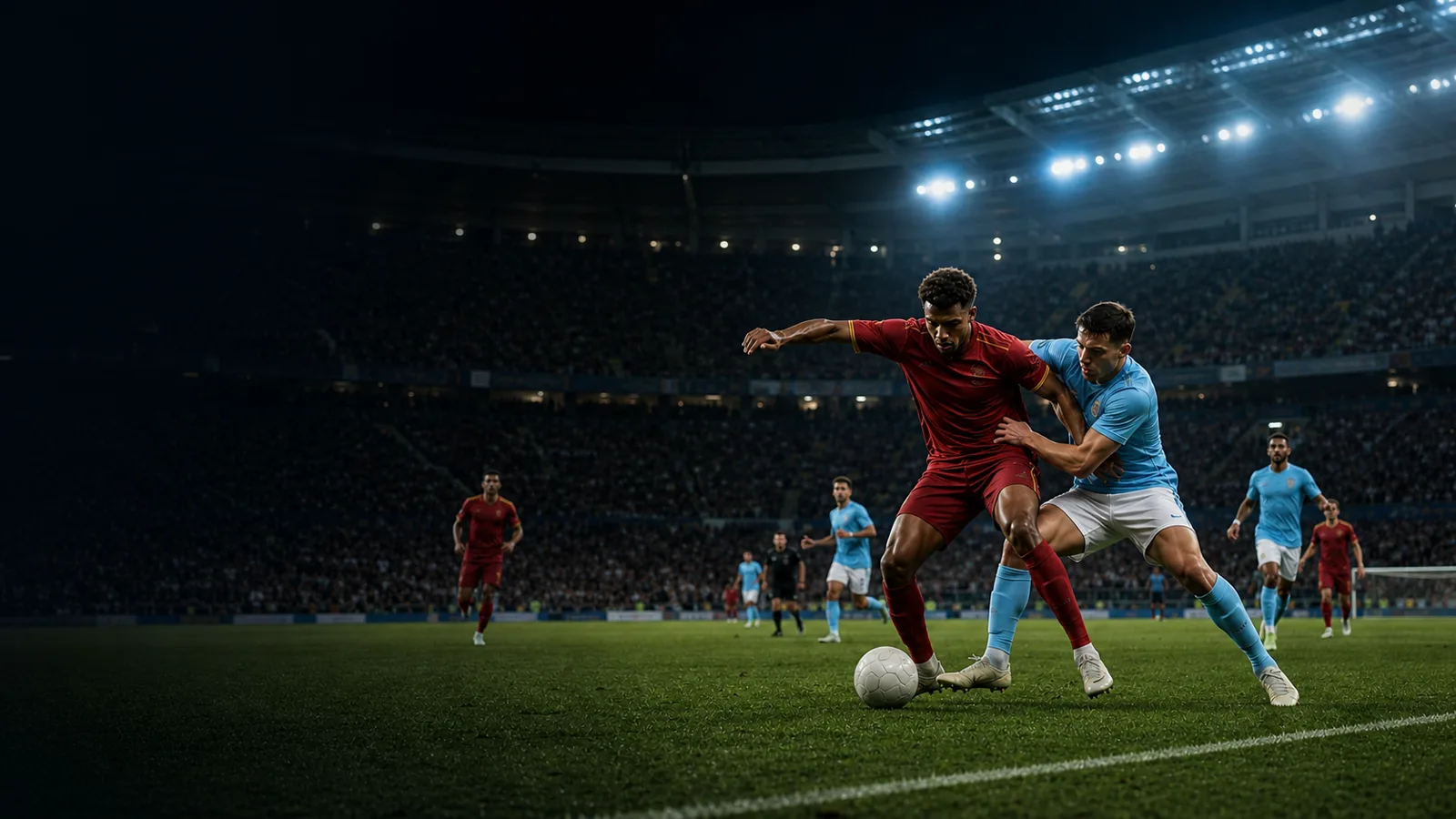
Spain 1, Argentina 0
Spain is world champion for the second time. The final stayed scoreless through regulation at New York New Jersey Stadium, then Ferran Torres supplied the finish that separated the teams in extra time. Spain protected the 1–0 lead and ended Argentina’s title defense.
Spain’s second title arrived 16 years after its 2010 triumph. Torres scored in the 106th minute, while Unai Simón completed Spain’s seventh clean sheet in eight tournament matches.
The moment that decided it
Argentina had been reduced to 10 players after Enzo Fernández was sent off late in regulation, but the defending champion still carried the match into extra time. Torres, introduced from the bench, reacted first to a bouncing ball in the penalty area and drove a left-footed finish beneath the crossbar in the 106th minute.
The goal was Torres’ first of the tournament. It also rewarded Spain for staying patient when control had not yet produced a breakthrough.
A title built on control
The final score fit Spain’s wider tournament. La Roja conceded only once across eight matches and recorded seven clean sheets, the defensive platform behind a run that rarely required the team to chase chaos. Unai Simón received the Golden Glove after completing the shutout in the final.
That balance is the clearest explanation for the championship: Spain could own the ball without becoming vulnerable when possession changed hands. Even when the final stretched beyond 90 minutes, its structure held.
Rodri sets the standard
FIFA named Spain captain Rodri the tournament’s Golden Ball winner. His influence was less about one isolated highlight than the consistency of Spain’s midfield control across eight matches. Pau Cubarsí received the Young Player Award, giving the champion recognition at both the established and emerging ends of its core.
What the second star means
Spain’s first men’s World Cup title came in 2010. This victory establishes a second championship identity with a different group, a different coach and a defense that set the terms of the tournament. For supporters, the result turns another generation of names and moments into national football history.
Argentina leaves as runner-up after reaching consecutive finals. Spain leaves with the trophy, a second star and the defining result of the 2026 World Cup.